
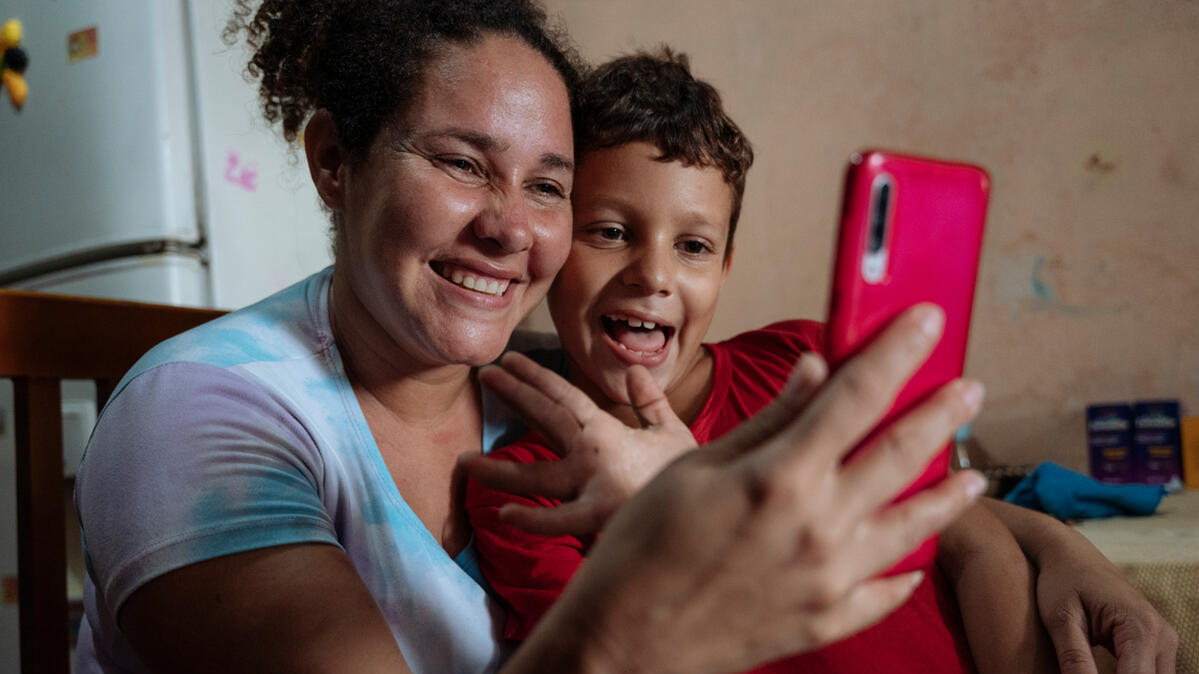
Connectivity for Refugees
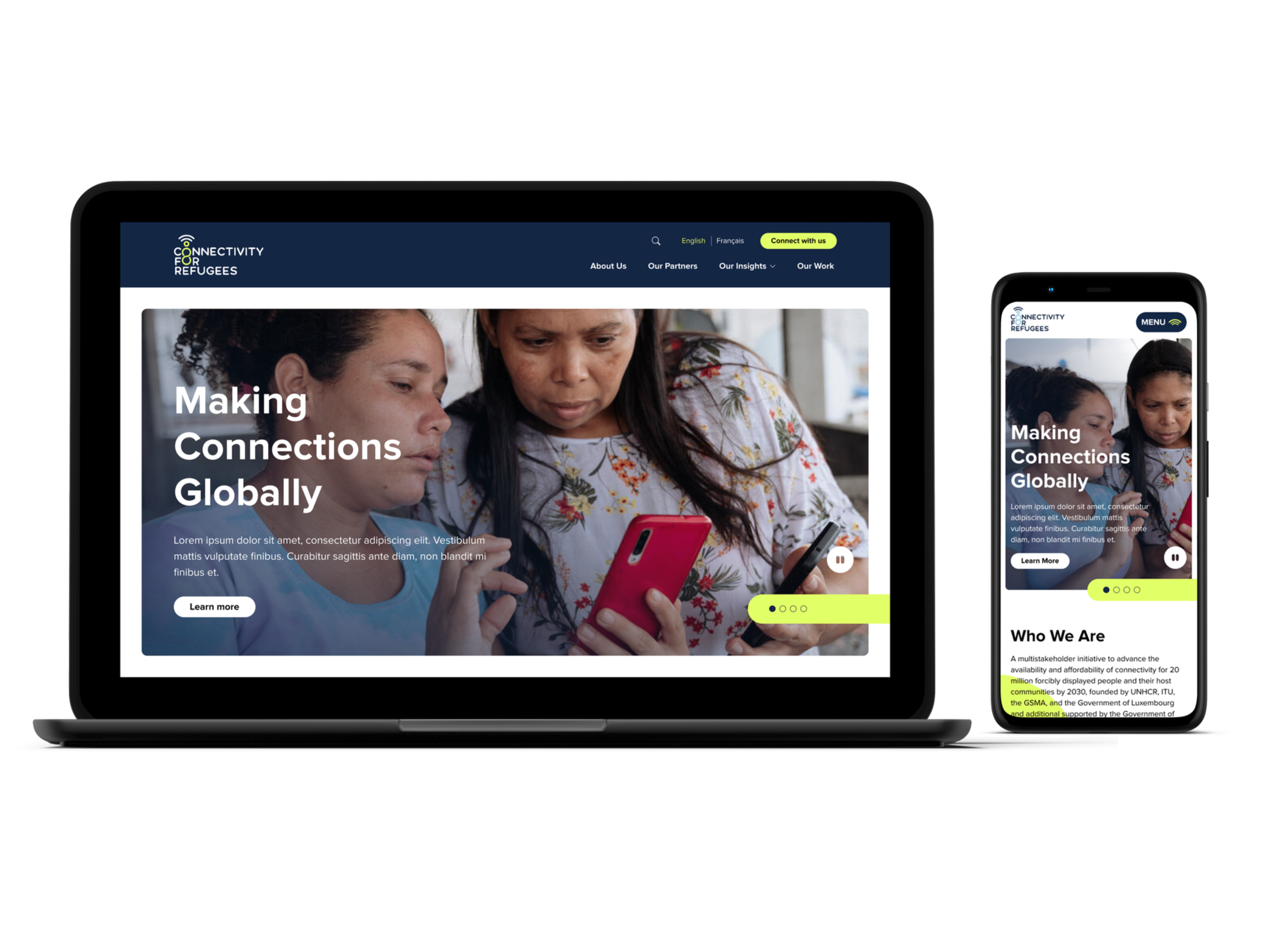
Connectivity for Refugees (CFR) is a global initiative by UNHCR that works to bring digital access and connectivity to displaced communities around the world. While their mission is critical, their existing website wasn’t effectively communicating their impact. The site lacked structure, clear messaging, and visual appeal, making it difficult for visitors to understand what CFR does or how they could get involved. Our goal was to transform the website into an engaging information hub that tells their story, highlights their accomplishments, and encourages partnership and support.
Redesigning an awareness platform to spotlight global impact and connect more people to the mission of digital inclusion.
Information Architecture
UI/UX Design
Stakeholder Workshops
Research and Discovery
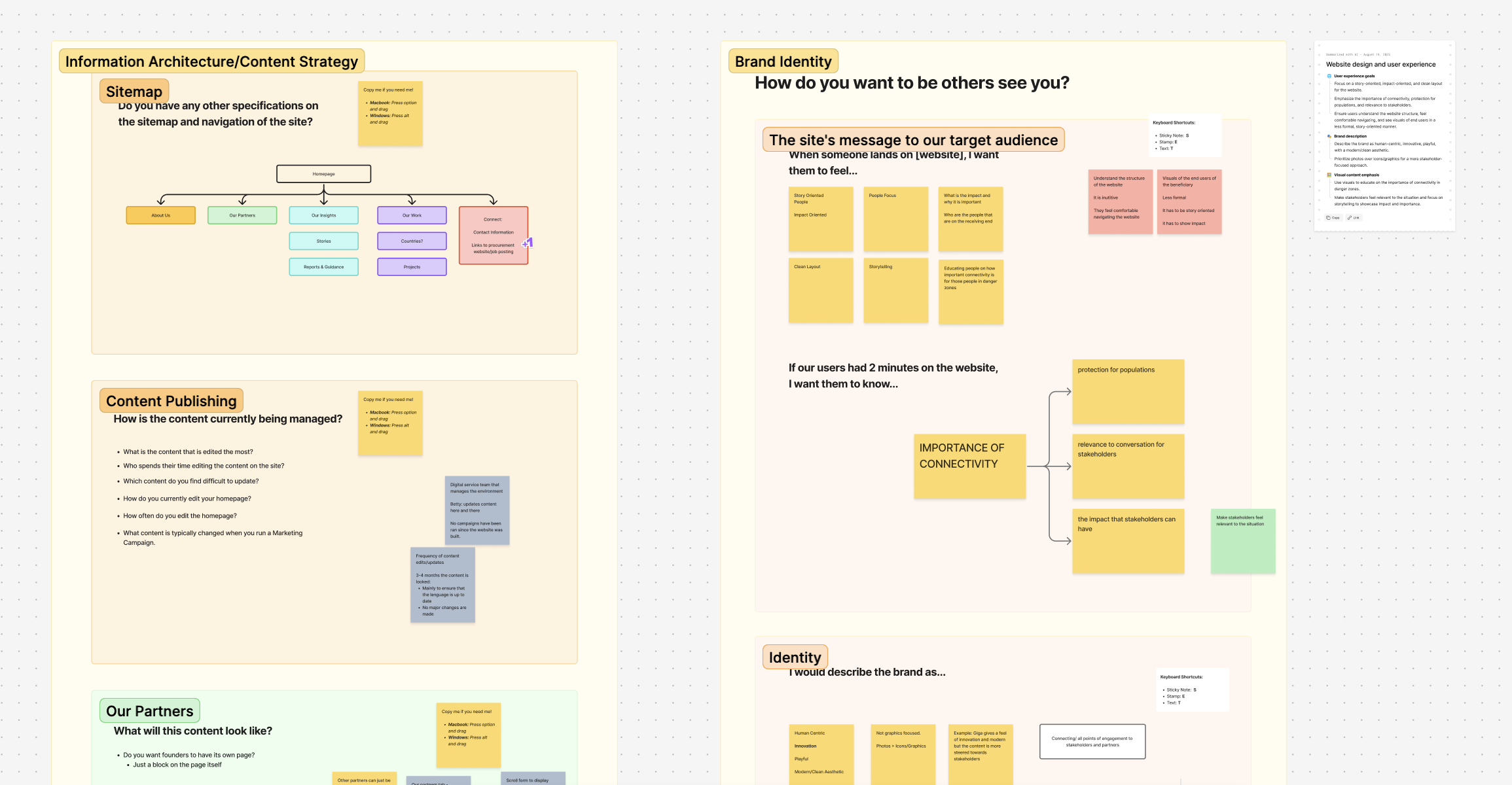
We began the project by conducting stakeholder workshops with the CFR team to understand their goals, challenges, and vision for the new site. Through these sessions, it became clear that the biggest opportunity lay in clarifying their message and showcasing tangible results of their work. We reviewed existing content, analyzed site analytics, and benchmarked similar humanitarian initiatives to understand what worked well in communicating mission-driven impact online.
This research helped identify three key needs:
A clearer narrative that explains what CFR does and why it matters.
A more structured and intuitive information architecture.
A design system that reflects both professionalism and compassion.
UX Strategy
Based on our findings, I restructured the site’s information architecture to guide users through CFR’s story — from the problem they’re addressing to the global projects they’ve launched and the lives they’ve impacted. The content was reorganized around three main pillars: Who We Are, Our Work, and Our Impact, ensuring visitors could easily understand CFR’s mission and achievements.
We also identified the primary audiences — NGO partners, potential donors, and volunteers — and crafted user flows that made it simple for each group to find relevant information and ways to get involved.
User Interface Design
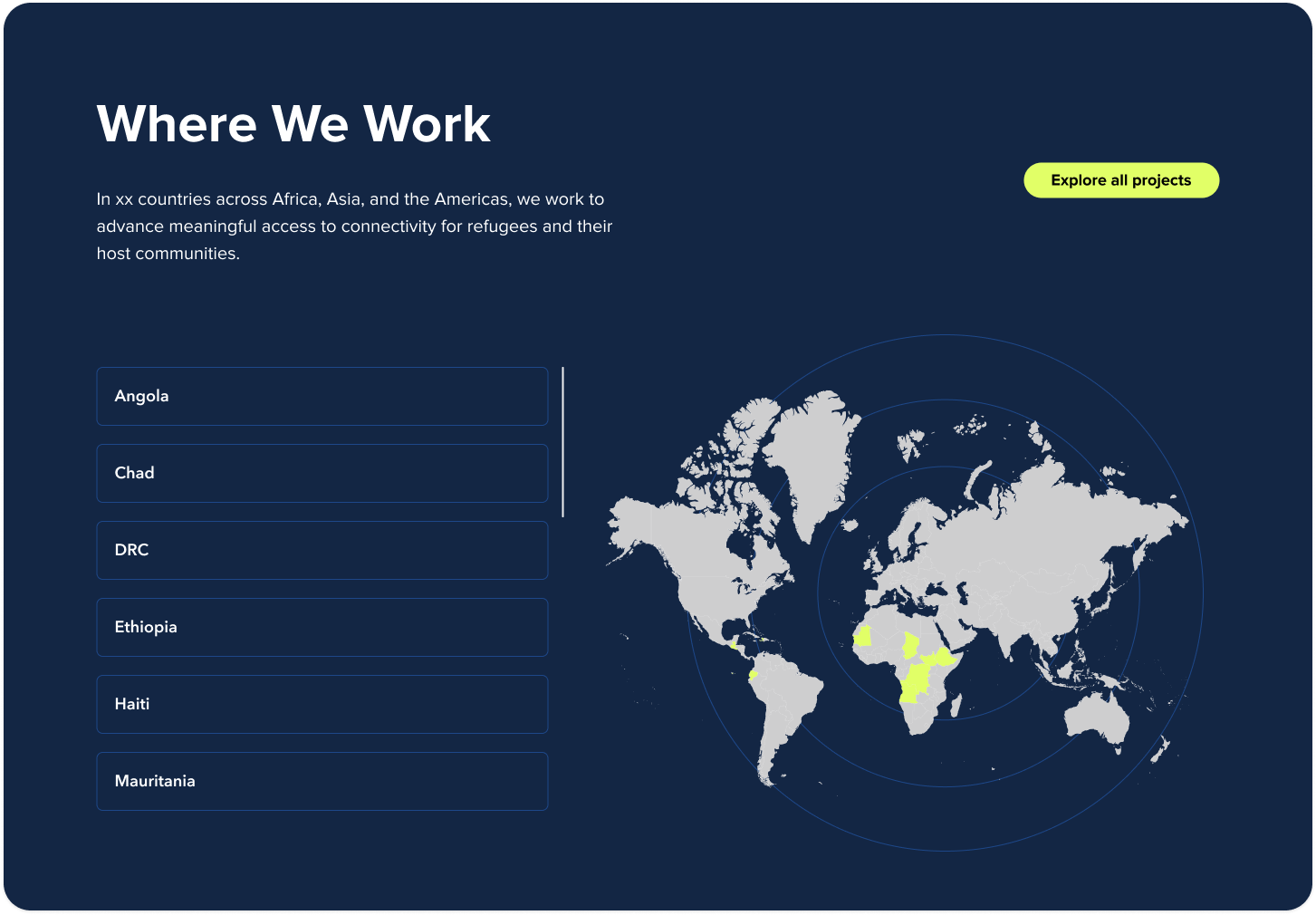
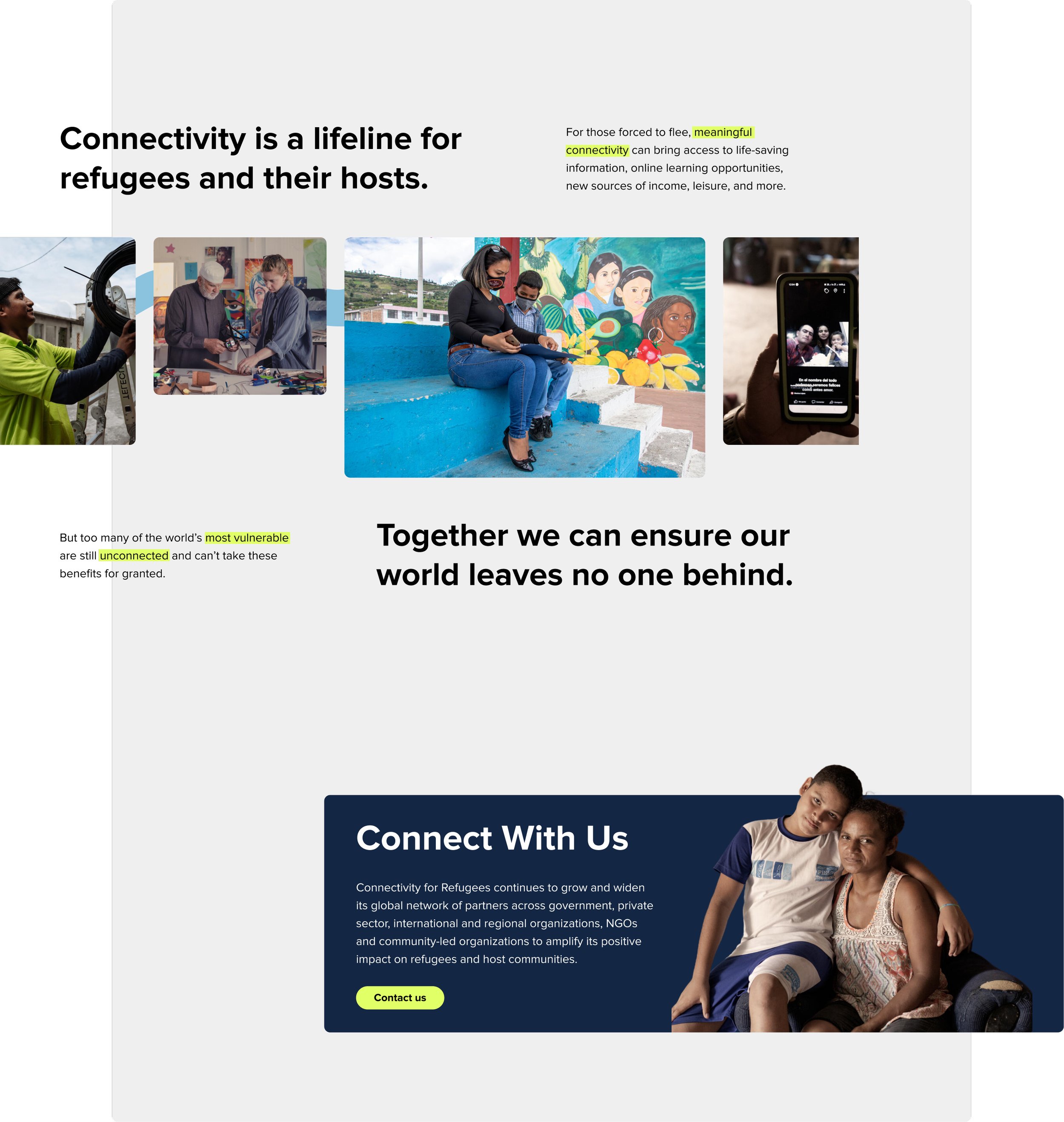
The new UI focused on clarity and engagement. I introduced a clean, grid-based layout and a human-centered color palette inspired by UNHCR’s visual identity but softened to feel more inviting. The use of photography and infographics brought CFR’s impact to life, showcasing real people and measurable results.
Interactive elements like maps and data highlights were designed to make global impact more tangible, while clear calls-to-action encouraged users to connect, collaborate, and contribute.
The Outcome
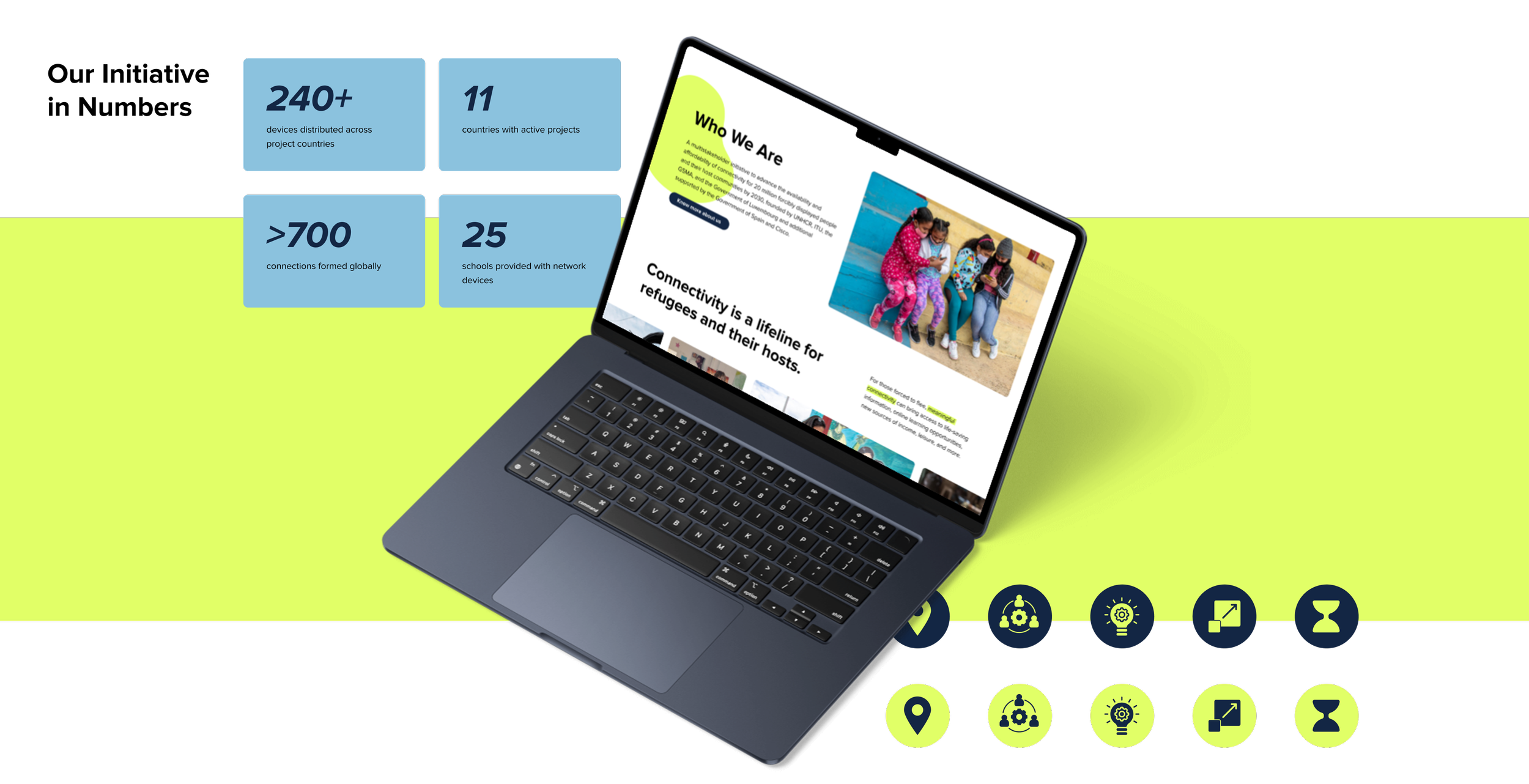
The redesigned CFR website provides a stronger foundation for communication and outreach. It now acts as an accessible information portal where partners, donors, and the general public can clearly see the scope and significance of CFR’s work. By improving both structure and storytelling, the site now increases awareness and positions CFR as a leader in digital inclusion for displaced communities.